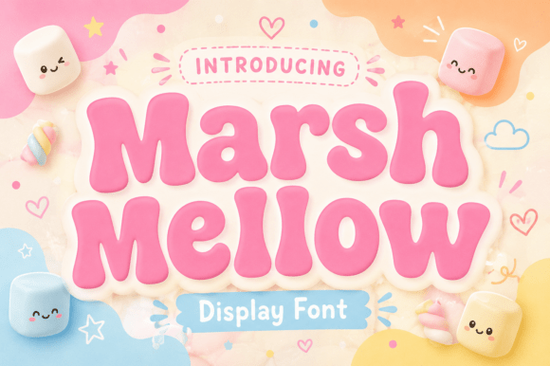
If you have ever scrolled through a sea of sharp, modern typefaces and wished for something softer, let me introduce you to Marshmellow Font. This chunky, retro display font feels like a breath of warm, nostalgic air. Its pillowy, thick-set shapes and gently curving outlines call to mind 1970s album covers, vintage candy shops, and sunny, carefree afternoons. For creative hobbyists, small business owners, and print-on-demand sellers, Marshmellow Font is that secret ingredient that instantly makes logos, packaging, and merch feel friendly and full of life.
What makes Marshmellow Font feel so nostalgic and inviting?
The 1970s influence is unmistakable. Rounded terminals, a consistent chunky weight, and softly swelling curves give each letter the look of a toasted marshmallow plump, comforting, and just a bit playful. It borrows from the fluid hand-painted signs and supergraphics of a pre-digital era, yet still feels fresh enough for today’s designs. Key characteristics: generous thickness for impact, relaxed corners that dial down visual tension, and an ample x-height that keeps short words wonderfully crisp. Instead of trying to be clever, Marshmellow simply radiates good humor and warmth, making every word feel like a friendly hello.
Where does a chunky retro font like Marshmellow work best?
Marshmellow Font was born for designs that need a soft, approachable spark. It shines in settings where you want to invite people in rather than shout at them. Common uses include:
- Logo and brand identity: especially for cafés, bakeries, ice cream shops, and lifestyle brands with a playful spirit.
- Packaging design: sweets, candles, self-care products, and any label that benefits from a tactile, vintage‑candy feel.
- Social media graphics: quote posts, story stickers, announcements, and event teasers that stand out without feeling aggressive.
- Print‑on‑demand merchandise: t‑shirts, hoodies, tote bags, mugs, and stickers that translate bold shapes beautifully onto fabric and hard surfaces.
- Retro party stationery: invitations, banners, and table cards that instantly set a happy, throwback mood.
Some projects might ask for an edgier, street‑inspired energy. If that’s the case, exploring urban graffiti letterforms can open a completely different door. But when you need to wrap your audience in a warm, welcoming hug, Marshmellow fits the bill perfectly.
How do I pair Marshmellow with other fonts without clashing?
Because Marshmellow is so distinctive, it plays best with quiet supporting typefaces. Clean, neutral sans‑serifs like Inter, Open Sans, or Montserrat let the display font keep the spotlight while keeping body text highly readable. If your project longs for a touch of timeless elegance, try a delicate serif. A high-contrast serif like Cormorant Garamond brings just enough sophistication when set at small sizes it adds a lovely vintage‑boutique layer without ever competing with Marshmellow’s pillowy boldness. The trick is to keep secondary fonts simple so Marshmellow can truly breathe.
Is Marshmellow easy to read? Can I use it for paragraphs?
Like most display fonts, Marshmellow is not designed for long passages of text. Its strength is in headlines, short slogans, product names, and social media quips places where a few words need to carry a lot of personality. At larger point sizes the open, rounded shapes stay clean and friendly. For situations where legibility at smaller sizes matters more than plush softness, a legible retro kids typeface with simplified letterforms might be a safer choice. But for the hero text that stops a scroller in their tracks, Marshmellow delivers all the charm you could ask for.
How does Marshmellow compare to video game or pixel-inspired display fonts?
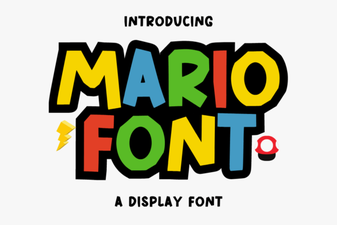
Both can trigger nostalgia, but they channel entirely different decades. Marshmellow’s pre‑digital warmth comes from an era of vinyl records, hand‑lettered posters, and groovy color palettes. In contrast, pixel fonts pull from 80s and 90s arcade nostalgia. If your brand story revolves around classic gaming, a pixelated style inspired by classic Mario games might resonate instantly with your audience. Marshmellow lives on the cozier, analog side of retro more Saturday morning cartoons than late‑night arcade sessions.
What about print quality? Does Marshmellow hold up on t‑shirts and tote bags?
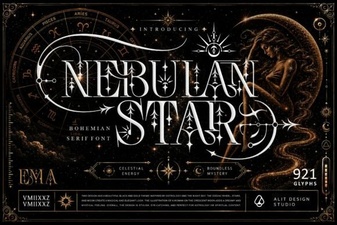
Absolutely. The thick, soft‑edge structure is a print‑on‑demand seller’s dream. Direct‑to‑garment (DTG) prints replicate the rounded terminals faithfully, while screen printing keeps the bold shapes crisp even after multiple washes. Embroidery, too, can capture the gentle curves without losing the font’s friendly personality. Because there are no hairline strokes, you never have to worry about disappearing details. For a completely different aesthetic, a starry display typeface with cosmic flair like Nebulan Star can add magical variety to a merch line, while Marshmellow keeps things grounded, cheerful, and tactile.
Quick tips before you start designing
- Test your brand name or tagline in both all caps and mixed case Marshmellow often feels different between the two.
- Pair it with a lightweight sans‑serif for product descriptions and size charts.
- Apply it to a mockup of a t‑shirt or tote bag to see how the pillowy shapes translate onto fabric.
- Check contrast over photos; white or soft pastel backgrounds let the letterforms truly pop.
- Use Marshmellow sparingly give it the spotlight for headlines and hero text, not full paragraphs.
With its soft, nostalgic demeanor, Marshmellow Font makes it wonderfully simple to bring a genuine smile into any project.
Learn More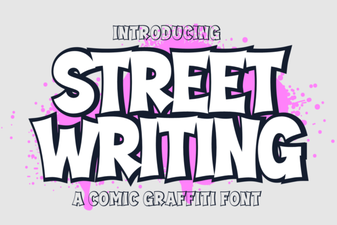 Street Writing Font Inspiration for Creative Projects
 Nebulan Star Typeface: Space-Inspired Font for Creative Designs
 Mario Font: Design Ideas and Creative Projects
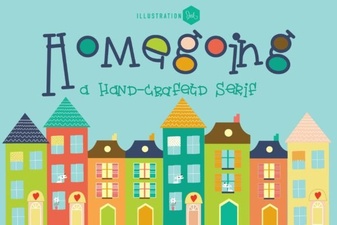 Homegoing Font: Design Inspirations & Usage Tips
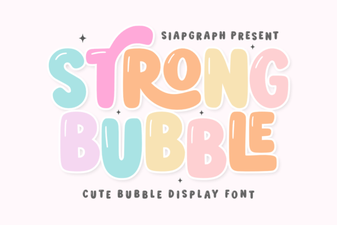 Strong Bubble Font: Bold Playful Typography for Designs
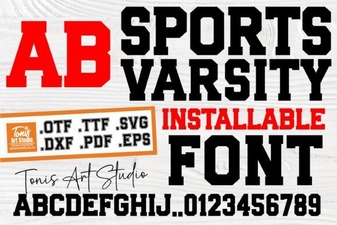 Sports Varsity Font Ideas for Bold Team Designs