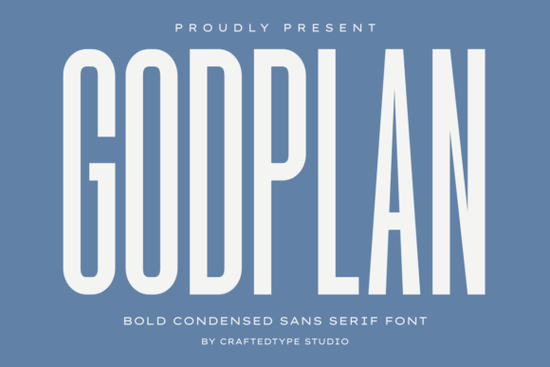
If you design t-shirts, gym wear, or attention-grabbing social media posts, you know that the right typeface can instantly set the mood. A tall, tightly packed letterform often delivers that bold, no-nonsense impact many projects need and that’s exactly what Godplan brings to the table. Godplan Font is a commanding condensed sans serif with thick strokes and a clean architectural silhouette. It’s designed to fill the frame without shouting, giving your message a modern, assertive voice that holds its own on anything from a poster to a hoodie.
Why would I choose a condensed sans serif like Godplan?
A condensed font saves horizontal space while keeping each character highly legible. This makes it ideal for layouts with long headlines or narrow text boxes where a regular-width font would force you to shrink the size or break the line awkwardly. Godplan takes this a step further by adding solid visual weight its thick stems and compact x‑height maintain presence even at smaller scales. For print‑on‑demand sellers, that means a single impactful word can fill the chest of a tee without losing readability, and for designers, a strapline across a web banner stays crisp and bold.
When you compare Godplan with more decorative options, you’ll notice it avoids distracting quirks. The letterforms are straightforward but carry a subtle industrial edge. If you ever need a slightly softer condensed style for contrast, a font like Bright Darling Duo pairs well because its handwritten companion brings warmth without undermining the clean geometry of Godplan.
How well does this font work for apparel and POD items?
Test prints on cotton, polyester blends, and even textured fabrics show that overly thin typefaces can break up or lose definition. Godplan’s heavy strokes stand up to this quite well. Whether you’re heat‑pressing a motivational quote onto a muscle tank or screen‑printing a streetwear logo, the letters remain solid and readable. The narrow width also means you can stack words vertically without the design feeling top‑heavy.
For those building a cohesive brand, consistency matters. Using Godplan across gym apparel, water bottles, and cap designs helps reinforce a unified look. If your line includes both rugged and sleek themes, you might also reach for a stencil‑inspired option like Battle Army Stencil to handle military‑ or grunge‑style pieces, while Godplan covers the cleaner, modern athletic side.
Can you pair Godplan with softer or hand‑drawn styles?
Absolutely. The secret to a layered typographic design is contrast, not conflict. Godplan’s firm, vertical stance works beautifully next to a casual script or a rounded serif. For example, a poster might use Godplan for the main headline “NEVER SETTLE” and then add a subtle cursive subheading beneath. If you’re looking for a hand‑lettered feel, Ballpoint Writing mimics natural pen strokes and can soften the overall tone. Similarly, if you want another condensed heavyweight with slightly different proportions, Modern Limited offers a taller x‑height that still pairs logically with Godplan’s structure.
What makes a font suitable for sports branding and film titles?
Sports brands often need a voice that feels dynamic but not dated. Godplan’s geometric, almost monospace‑like rhythm gives it a contemporary athletic vibe without relying on tired sports‑lettering clichés like exaggerated outlines or swooshes. Picture it on a soccer jersey number or a racing team’s social graphic the narrow build fits performance‑orientated layouts, and the strong vertical stress implies forward motion.
For cinematic or YouTube titles, the font delivers the same crisp drama. Because it’s condensed, you can stack three words in a thumbnail and still have room for a face or product image. If your project calls for something more rugged or militaristic, Battle Army Stencil might be the alternative, but Godplan leans toward sleek, urban authority that suits tech intros, e‑sports overlays, and modern documentary title cards.
What file formats and features should you check before buying a display font?
Godplan comes in both OTF and TTF, so it works with nearly all design software, including Cricut Design Space, Silhouette Studio, Photoshop, and Illustrator. Importantly, it’s fully PUA encoded. That means all alternate characters, swashes, and special glyphs are accessible even in programs that don’t support OpenType features you just copy them from a character map or glyph panel. This is a big plus for crafters who want to access the full character set without extra plugins.
Before you commit to any font, always open the glyph map to confirm you have everything you need. With Godplan, you’ll find a generous set of punctuation, numerals, and multilingual support. For a quick preview of all available characters, you can always visit the detailed Godplan product page and check the specimen images.
How do I keep a bold condensed font from feeling overwhelming in a layout?
Even the most striking display face can dominate a design if you don’t balance it. Pair Godplan with plenty of negative space. Let the headline breathe by setting it against a clean background, or use it sparingly as a logo badge and then switch to a simple sans serif for body text. When you need multiple levels of hierarchy, vary the size drastically extra‑large for the main word, much smaller for the supporting line. Because Godplan is unadorned, it handles size changes without losing clarity.
Color also plays a role. On dark apparel, a white or neon print lets the thick strokes pop. On a light‑colored mug or poster, a matte charcoal or deep navy keeps the look refined rather than aggressive. If you’re combining fonts, test Godplan next to a light, readable sans like Modern Limited for a clean duplex that still feels cohesive.
Where else could you use a font like this beyond apparel?
Godplan’s rigid upright structure and compact footprint make it a reliable choice for event badges, packaging labels, trade show banners, and even large‑scale wall decals. Architects and interior designers might appreciate its blueprint‑like precision for concept boards. Podcasters and streamers often use condensed titling faces on overlay graphics because they leave room for webcam frames and chat boxes while staying highly legible.
Small businesses creating printed menus, price tags, or thank‑you cards can also benefit. A bold condiment label, for instance, only needs a single word like “HOT” in Godplan to communicate intensity without additional clip art. The font’s direct character does a lot of the storytelling on its own.
Practical next‑step checklist for using Godplan in your project
- Download and test both OTF and TTF to see which performs better in your specific software.
- Open the glyph panel to explore alternates and choose the exact numeral or punctuation style you need.
- Print a small test swatch on the actual fabric or paper you plan to use check how the thick strokes hold up.
- Pair with contrast: Try Godplan with a light script like Ballpoint Writing for balance, or use a clean sans such as Bright Darling Duo for supporting text.
- Adjust spacing, not width: Use tracking to fine‑tune density; avoid artificially squeezing or stretching the font itself.
- Review on multiple screens and at actual size to ensure your message reads well on phones, monitors, and printed materials.
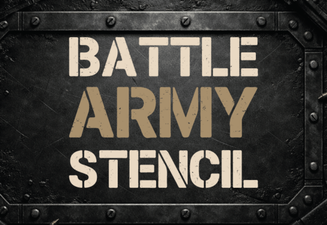 Bold Battle Army Stencil Font Ideas for Your Design Projects
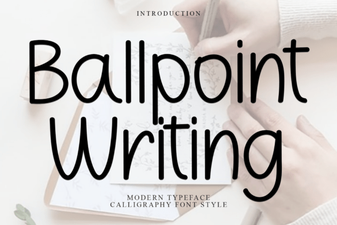 Ballpoint Writing Font: Realistic Pen Style for Creative Projects
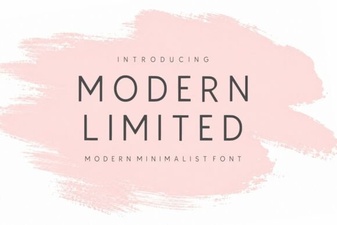 Modern Limited Font: Fresh Ideas for Striking Typography
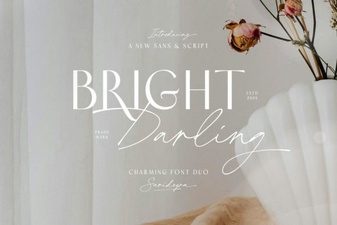 Bright Darling Duo Font for Playful, Modern Typography
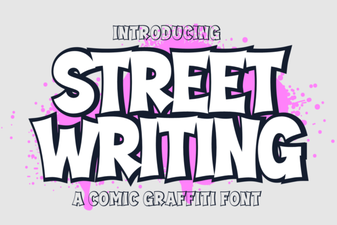 Street Writing Font Inspiration for Creative Projects
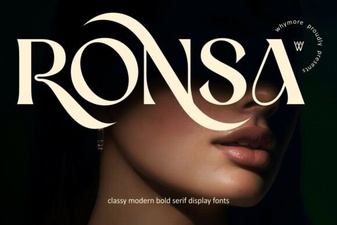 Enhance Your Designs with Ronsa Font