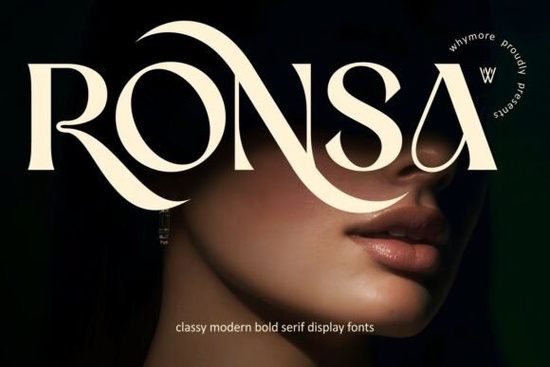
Finding a serif font that feels contemporary yet carries a classic, upscale presence can be tricky. Ronsa is one of those typefaces that immediately grabs attention with its bold weight and refined letterforms. Designers who work on luxury branding, editorial spreads, or high-end packaging often need a typeface that speaks quietly but carries authority Ronsa fits that brief. Its high-contrast strokes and smooth curves give it a polished, premium look without feeling dated.
What really defines the style of Ronsa?
Ronsa is a modern bold serif with a confident structure. The high contrast between thick and thin strokes gives it a dramatic, fashion-forward character. The serifs are sharp but not overly decorative, and the terminals have a subtle flare that adds a touch of softness. This balance keeps it elegant, not aggressive. For logo design, the uppercase letters carry a sense of stability, while the lowercase set remains readable and fluid, making it suitable for taglines and supporting text.
A standout feature is the way certain letterforms are drawn. The uppercase ‘R’ has a sweeping, almost calligraphic tail, and the lowercase ‘a’ uses a single-storey design that feels open and modern. Small details like these make the font feel considered and intentional. If you’ve used other serif fonts like Gibs which leans toward a lighter, more delicate construction you’ll notice Ronsa’s heavier presence right away.
Where does this font perform best?
Ronsa works well wherever you need a focal point. Its thick stems and high contrast make headlines, book covers, and product labels stand out. Because it reads clearly even at smaller sizes, you can also use it for short blocks of body text in brochures or invitation cards. Print-on-demand sellers often use fonts like Ronsa for t-shirt graphics, mug designs, and tote bags because the bold weight translates well to fabric and merchandise. For digital use, it stays sharp on screens, which matters for social media graphics and website hero images.
Is Ronsa a good fit for a logo?
Yes, especially if the brand wants to project luxury, elegance, or a modern editorial vibe. The strong letterforms hold up perfectly in a wordmark, whether it’s for a fashion label, beauty brand, or boutique hotel. Because of its distinct character, you can often just set the company name in Ronsa, adjust the spacing, and have a finished logo. Avoid piling on too many decorative elements the font itself already does a lot of the heavy lifting.
How does Ronsa compare to similar serif fonts?
Compared to Dream to Berich, which has a more handwritten, softer personality, Ronsa sits on the bolder, more structured side. Both can serve luxury projects, but Dream to Berich gives off a gentle, romantic feel while Ronsa commands more authority. If your project needs a font that feels crisp and polished rather than delicate, Ronsa is the stronger pick. That said, you might pair the two: use Ronsa for headlines and Dream to Berich for accent text, creating a nice contrast of weight and mood.
Another comparison worth noting is with fonts that have a similar contrast level but a different skeleton. Some modern serifs lean towards a Didone style with very thin hairlines. Ronsa keeps its thin strokes substantial enough to avoid disappearing in print, which makes it more reliable for both offset and digital printing.
What licensing comes with Ronsa, and where can you use it?
Like most Creative Fabrica fonts, Ronsa comes with a license that covers personal and commercial use. You can use it on client projects, physical products you sell, and digital files. Always double-check the specific license details on the product page, but generally, small business owners and indie designers find these terms generous. Print-on-demand sellers can safely use it for their collections without worrying about additional royalties.
Simple ways to pair Ronsa with other typefaces
Because Ronsa is already quite expressive, it pairs best with clean, understated sans-serifs. A geometric sans like Montserrat or a neutral grotesk gives the layout structure while letting Ronsa shine. If you want script accents, choose a thin, monoline script rather than a thick brush style the contrast will keep the design balanced. For editorial work, try combining Ronsa headlines with a readable serif for body copy like Lora or Merriweather. This keeps everything cohesive without competing for attention.
Can Ronsa handle non-Latin characters?
Ronsa’s character set typically covers basic Latin and some extended glyphs. If your project requires extensive multi-language support, verify the glyph panel on the Ronsa product page to see if it includes the needed diacritics or special characters. For most English and Western European languages, it works straight out of the box.
Who really benefits from adding Ronsa to their toolkit?
This font suits a wide range of creative people:
- Branding designers who need a standout serif for upscale visual identities.
- Print-on-demand sellers who want bold, readable fonts that print well on apparel and accessories.
- Wedding stationery creators looking for a modern twist on classic elegance.
- Small business owners designing their own packaging, signage, or social media posts.
- Hobbyist crafters working with Cricut or Silhouette machines for vinyl decals and custom gifts.
What should you check before buying?
Take a moment to preview the exact characters you’ll use most. The product page lets you test custom text, so type in your brand name or headline to see how the letterforms connect. Pay attention to spacing Ronsa’s default letter-spacing may need a slight adjustment in logo work, but that’s true of most display serifs. Also, if you’re working with very small text, do a test print to ensure the thin strokes don’t break up on the paper you use.
A quick practical checklist
- Test Ronsa with your own words using the live preview tool.
- Pair it with a simple sans-serif for balanced layouts.
- If you sell physical products, run a test print to check contrast at different sizes.
- For logos, tweak letter-spacing and consider using all caps for extra impact.
- Bookmark the font in your Creative Fabrica library so you can reuse it across projects.
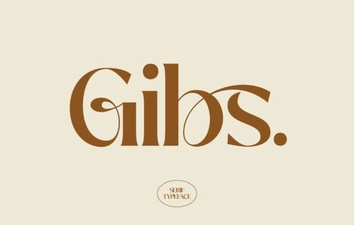 Gibs Font: Modern Typeface for Creative Design Projects
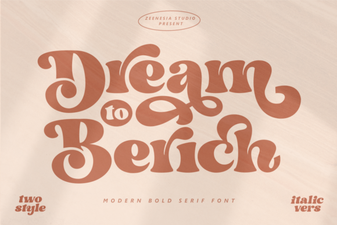 Dream to Berich Font: Handwritten Typeface for Designs
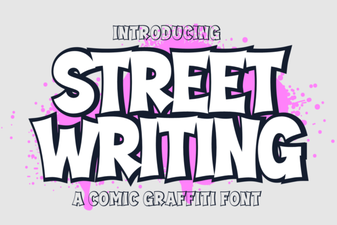 Street Writing Font Inspiration for Creative Projects
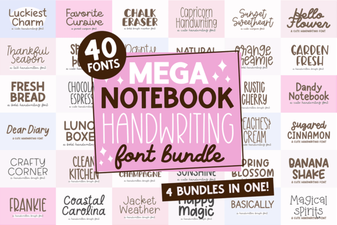 Mega Notebook Handwriting Bundle Font for Journaling
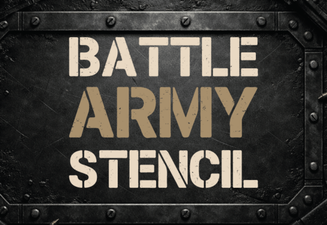 Bold Battle Army Stencil Font Ideas for Your Design Projects
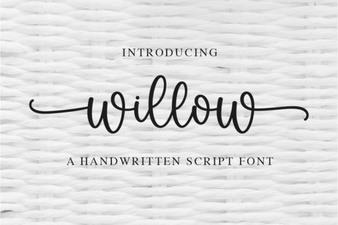 Willow Font: Ideas for Creative Design Projects