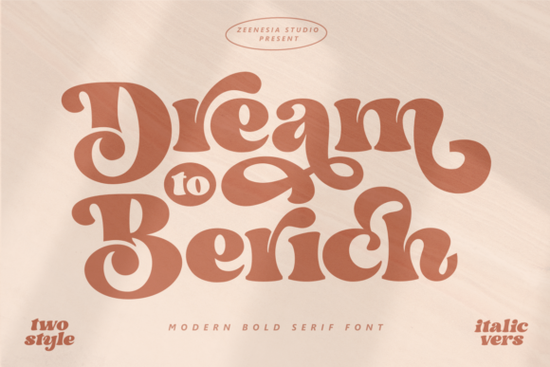
If you design wedding invitations, brand identities, or print-on-demand merchandise, you know a good serif typeface needs more than just nice letterforms. It should offer easy access to alternate characters and feel polished straight out of the box. Dream to Berich is a stylish serif font built with that exact workflow in mind. Its PUA-encoded glyphs let you pull up swashes and ligatures without opening a glyphs panel or a separate character map.
What makes this serif font stand out for daily creative work?
The first thing you notice is the balance between classic serif structure and a slightly playful, trendy edge. The serifs are clean but not overly sharp, and the letter proportions feel natural at display sizes while staying legible at smaller scales. Because it is PUA encoded, every alternate glyph, swash, and stylistic set is mapped to standard characters you can access directly through your keyboard just turn on a stylistic set or simply copy-paste from a character map if your software doesn’t support OpenType features directly.
For crafters making vinyl decals on a Cricut or Silhouette machine, this means you won’t need to manipulate vector shapes just to get that swooping lowercase “y” or a curvy ampersand. The font’s dedicated character set includes a wide range of alternates that you can mix manually, giving you a handmade lettering feel with fewer steps.
How do you actually use the swashes and alternate glyphs?
Most design apps like Adobe Illustrator, Photoshop, Affinity Designer, and even Canva now support OpenType alternates. If you’re in an app that doesn’t fully expose OpenType panels, the PUA encoding saves you time. Simply open the operating system’s character map (or Font Book on Mac) and copy the swash letter you want, then paste it into your text box. It works particularly well for craft cut files where you need each character to remain editable as a text object.
When you want to add an elegant touch to a single word say, a logo for a bakery or a headline on a product mockup you can swap the standard “r” for a more decorative terminal version, or use a descending swash on the final “h” to underline the word visually. These little adjustments help your project feel custom without hours of manual lettering.
What kind of projects benefit most from this type of serif?
Because Dream to Berich carries a refined yet approachable personality, it fits into several categories that small business owners and print-on-demand sellers often need:
- Wedding stationery: invitations, place cards, welcome signs. The swash alternates add romance without looking overly formal.
- Branding and logos: beauty brands, boutiques, coffee shops, or any small business that wants a handcrafted feel with clean readability.
- Social media graphics: quote posts, Pinterest pins, and Instagram Stories get a quick visual upgrade when you use decorative swashes sparingly.
- Merchandise: t-shirt designs, tote bags, and mug prints where text needs to be clear but not boring; the font’s slight modernity helps it print well on fabric and hard goods.
- Scrapbooking and card making: crafters who cut titles with electronic die-cut machines appreciate easy access to alternates without tracing or vectorizing.
For similar projects that need a slightly different personality, you could also look at other refined serif options or see how a font like Ronsa handles a more editorial tone. Exploring a few choices helps you find the exact weight and contrast your design needs.
Is it easy to install and use across different devices?
Yes. The font comes in a standard .otf or .ttf file that works on both Windows and Mac. Installing it takes seconds just right-click and install, or drag it into your system’s font folder. Once installed, it appears in your font list like any other typeface. The PUA encoding is built into the file, so there’s no extra software or plugin required to unlock the swashes. This accessibility makes it a practical choice for hobbyists who might not be comfortable with advanced typography settings.
For print-on-demand sellers who test fonts in design tools like Kittl, Corjl, or even directly on platforms like Printful or Printify’s built-in text editors, the font behaves predictably. Because the alternates are mapped to private use areas, you may need to copy-paste them, but that’s a quick extra step that doesn’t require leaving your design tool.
Does Dream to Berich work well in multilanguage projects?
While it’s primarily a decorative serif designed for Latin-based scripts, the PUA mapping covers a broad set of alternate characters that support standard European languages. You’ll get accented characters for French, Spanish, German, and others, so branding for an international audience isn’t a problem. If you need extensive non-Latin coverage, you might pair this font with a simple sans-serif for the secondary script, but for most use cases it provides enough language support right out of the box.
How can you pair it with other fonts?
Because Dream to Berich has a strong personality, it’s best to pair it with a clean, understated sans-serif like a geometric or humanist style. For example, use it for the main heading and set body copy in something like Open Sans, Montserrat, or a neutral grocery-store style font. That contrast keeps your design readable and prevents the swashes from overwhelming the message. In wedding invitation suites, you might use Dream to Berich for names and display lines, then a light script or a simple serif for details.
If you want to test pairings, open a few text frames and toggle between the swash alternates and the standard letters to see how much decoration feels right. Often, just one or two swashed letters per word is enough.
What’s the best way to preview it before committing?
Most font marketplaces let you type custom preview text directly on the product page. Take a few minutes to type words you’ll actually use your business name, a sample product title, a short phrase and toggle through the available alternates if the preview tool supports it. Look for letter combinations that feel unbalanced or too tight, and check if the swashes collide with descenders in multline text. This hands-on test tells you more than any screenshot ever could.
Also check the license: if you’re a print-on-demand seller, confirm that the standard license covers physical merchandise. Many font creators on Creative Fabrica offer a full commercial use license that includes POD, but it’s always good to double-check so your side hustle stays protected.
Quick checklist before you download:
- Type your typical project words in the preview tool and test alternate characters.
- Verify the license includes physical end products or POD if you plan to sell merchandise.
- Install the font on your primary design device and open a fresh test file to try a few swash combinations.
- Pair it with a simple sans-serif to see how the styles interact in a real layout.
- Save a small character map reference (a screenshot of the glyphs panel) for quick access to alternates later.
If you want a serif that feels both elegant and truly handy, give this one a real-world test in your next project. Nothing beats seeing how a font handles your words and shapes.
Explore Design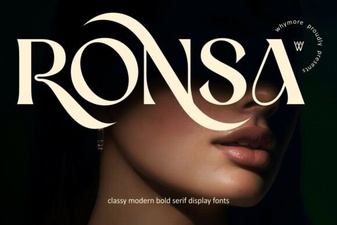 Enhance Your Designs with Ronsa Font
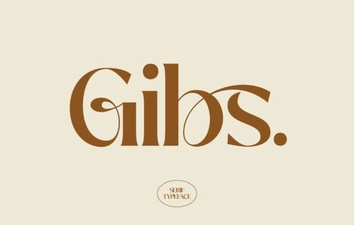 Gibs Font: Modern Typeface for Creative Design Projects
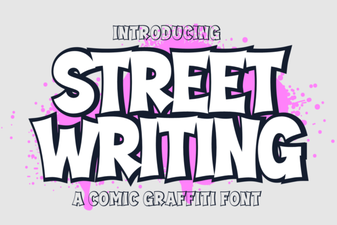 Street Writing Font Inspiration for Creative Projects
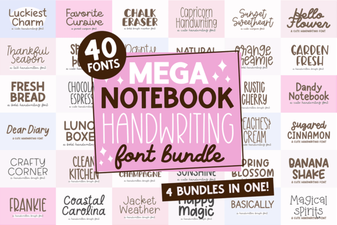 Mega Notebook Handwriting Bundle Font for Journaling
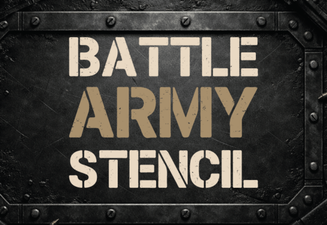 Bold Battle Army Stencil Font Ideas for Your Design Projects
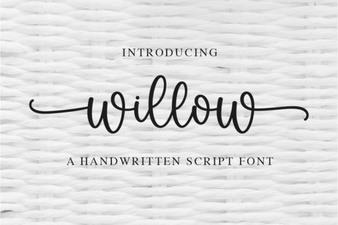 Willow Font: Ideas for Creative Design Projects